How to protect your business from information leakage
COUNTERACTING INDUSTRIAL ESPIONAGE INSIDE THE COMPANY
In today’s business environment, information is one of the most valuable assets. Competition between companies is intensifying, and along with it, the number of cases of industrial espionage is growing. Illegally obtaining confidential data, development strategies, financial records or technological developments can cause serious damage to a company, jeopardising its reputation, financial stability and market position.
Countering industrial espionage — is a set of measures aimed at detecting, preventing and neutralising threats related to the leakage of important information.
Methods and Channels of Industrial Espionage
To effectively combat espionage, you need to understand the main methods used by attackers to obtain corporate data. On this page you will find:
• real methods of counteracting information leakage
• tips on how to securely store internal data
• an explanation of how personnel screening helps to minimise threats
THE MOST COMMON:
A Comprehensive Business Protection Strategy
Effectively countering industrial espionage requires a comprehensive multi-layered and systematic approach. Key components of a robust protection strategy include:
1. Information security audit
Conducting an in-depth analysis of the company’s data protection system, identifying weaknesses, vulnerabilities and potential threats. Development of recommendations for strengthening information security.
2. Communication protection
• Utilize encrypted communication channels for sensitive discussions.
• Avoiding public Wi-Fi networks to transmit confidential information.
• Implement VPNs and multi-factor authentication to secure remote access.
3. Personnel screening
• Filtering candidates for key positions.
• Monitor employee loyalty and reliability through ongoing assessments.
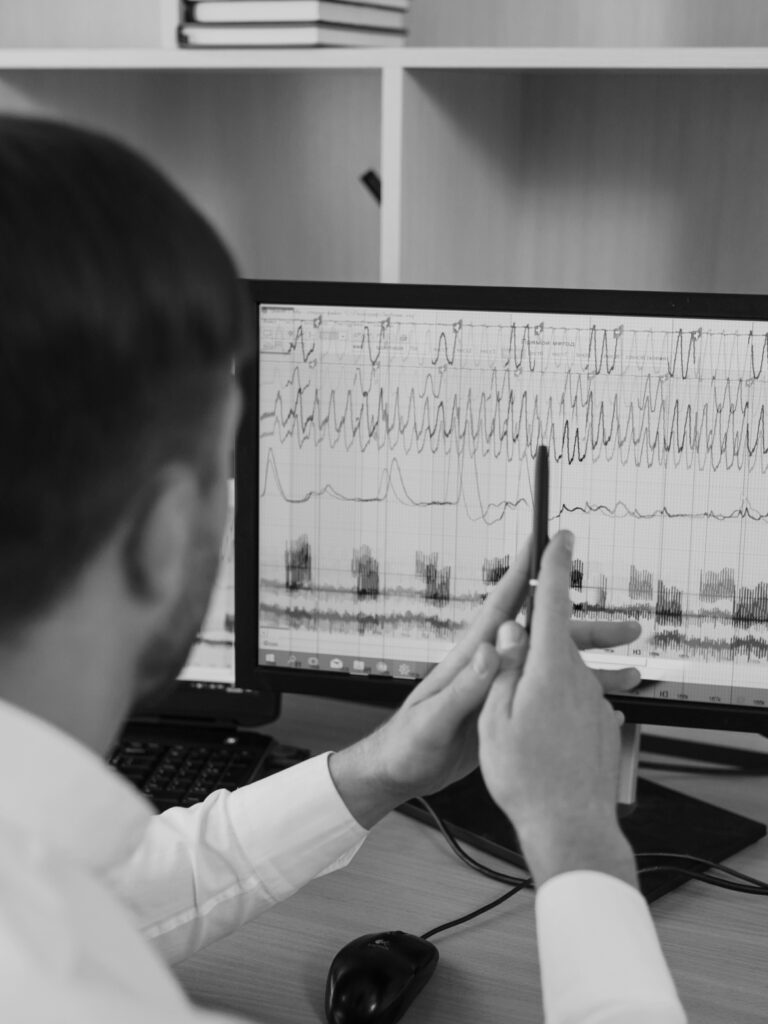
• Conduct periodic polygraph testing to detect potential risks of information leakage.
4. Protection of office premises
• Perform regular sweeps for surveillance devices.
• Restrict access to meeting rooms and sensitive areas.
• Enforce a “clean desk” policy to prevent unauthorized access to documents.
5. Protection of digital data
• Deploy advanced cybersecurity tools, including antivirus software and firewalls.
• Implement user activity monitoring across the corporate network.
• Ensure timely software updates to address known vulnerabilities.
6. Control over partnerships
• Evaluate the reliability and security posture of partner organizations.
• Formalize confidentiality and trade secret agreements.
• Limit third-party access to critical internal systems and data.
7. Staff training
Company employees should be aware of the threats of industrial espionage. Conducting information security training and education programmes will help prevent data leakage due to human error.
Conclusion
Industrial espionage can be a serious threat to any business. Protecting information requires a comprehensive approach that includes cybersecurity, personnel control, protection of negotiations and communications, and regular security audits.
Business protection is not a luxury, but a necessity in today’s competitive environment. If you want to minimise the risks of information leakage and strengthen your company’s security, consider our services. Learn more about business protection options.